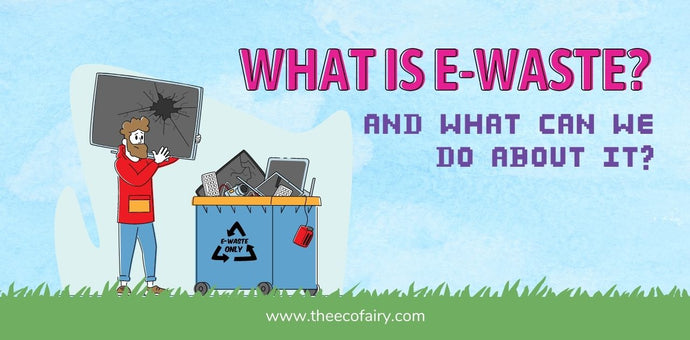
E-waste (electronic waste) includes anything with plugs, cords and electronic components. Common sources of e-waste include televisions, computers, mobile phones and any type of home appliance, from air conditioners to children’s toys.
Ecologist Mark Browne at the University College Dublin found thatthat85 percent of themicrofibersdiscovered on shorelines were human-made materials commonly used in synthetic apparel made from such fabrics as polyester and acrylic.
If you’re serious about living lightly, think about making some changes to the way you buy new goods and get rid of your old ones. Over time, these simple shifts can add up to a big difference.
We have gotten so used to getting our food from supermarkets that we take for granted how it gets there. When you think about sustainability, you consider the planet’s resources; you pay attention to how products are made and transported.
The climate is changing - but are you? Changes in the way you live your life - both big and small. Climate change has already begun to impact our planet in more ways than we can think.